


Sports Physical Therapy vs. Traditional Physical Therapy: What's the Difference for Athletes?
Not All Physical Therapy Is Created Equal
Kathy Ryan-Ceisel, PT MHS | Algonquin Sports PT
Overhead Throwing Expert-Athletic Edge and Wellness
When an athlete gets injured, one of the first recommendations is often physical therapy. But many athletes, parents, and coaches don't realize there is a significant difference between traditional physical therapy and sports physical therapy.
While both approaches aim to reduce pain and improve function, sports physical therapy goes far beyond simply helping an athlete feel better. The ultimate goal is to help them safely return to competition and perform at their highest level.
For baseball and softball players, especially overhead throwing athletes, this distinction can be the difference between a successful return to sport and a frustrating cycle of recurring injuries.
What is Traditional Physical Therapy?
Traditional physical therapy primarily focuses on restoring daily function and reducing pain.
Treatment often includes:

Pain management
Improving range of motion
Basic strengthening exercises
Restoring normal daily activities; walking, dressing, reaching, and stair climbing
General rehabilitation following injury or surgery
For many patients, this approach works well. If your goal is simply walking without pain, climbing stairs, or returning to everyday activities, traditional physical therapy may be appropriate.
However, athletes require much more than basic function. If your grandma is working out in the same physical therapy gym, chances are you are not getting sports physical therapy!
A pitcher does not simply need a pain-free shoulder. They need to throw 80+ pitches at game intensity. A softball player doesn't just need normal mobility; they need explosive rotational power, endurance, and the ability to repeatedly perform under fatigue. Furthermore, what a football player needs is different than a baseball player. Even in baseball, the skill differences are significant; a pitcher's mobility requirements differ from those of a catcher.
What is Sports Physical Therapy?
Sports physical therapy is designed specifically for athletes and active individuals. Sports physical therapy involves a multi-pronged approach to understanding the sport, the position played, symptoms, and ultimately the progression and time frame needed for return to play. The focus is not only on healing the injury but also restoring the physical qualities necessary for sport-specific performance; this includes running, jumping, pivoting, throwing, catching, and contact work.
At Athletic Edge & Wellness, sports physical therapy combines:
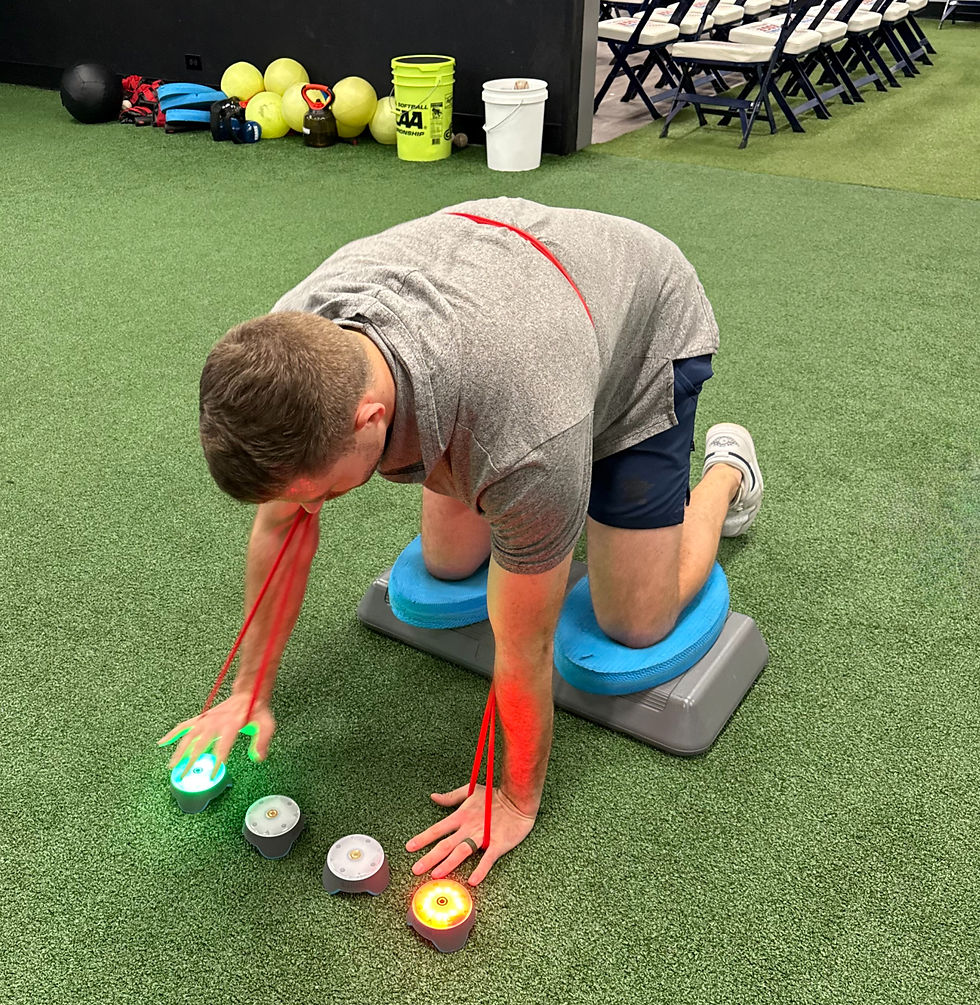
Sports specific drills
Performance training
Movement analysis
Return-to-play testing
Throwing mechanics assessment
Arm care programming
Workload management
Injury prevention strategies
Recovery techniques
Instead of asking, "Can you perform daily activities?" sports physical therapists ask:
Can you sprint?
Can you cut and change direction?
Can you jump?
Can you throw at full intensity?
Can you tolerate the demands of a full season?
What is your workout/practice/game schedule?
.
This performance-driven approach helps athletes bridge the gap between rehabilitation and competition. The continuum of care starts with replication of sport specific skills, return to practice programming, return to game intensity competition, and finally return to performance. Sports physical therapy goal is to perform at the level you were BEFORE you injury. Other considerations may include: time of season, time to competition, injury location, injury severity, other concurrent medical factors, and physician protocols.
Why Traditional Physical Therapy Often Falls Short for Throwing Athletes
Throwing a baseball or softball is one of the most stressful and complex movements in sports.
The throwing motion requires coordinated force generation from:
Legs
Hips
Core
Trunk
Scapula
Shoulder
Elbow
Wrist
Research and throwing specialists consistently emphasize that arm injuries are often influenced by deficits elsewhere in the body, particularly the hips, trunk, and core.
Many traditional rehabilitation programs focus primarily on the painful body part.
For example:
Shoulder pain = shoulder exercises
Elbow pain = elbow treatment
But athletes frequently continue to experience recurring symptoms because the root cause was never addressed. At Athletic Edge & Wellness, every throwing athlete is evaluated by a 360 degree approach because shoulder problems often have elbow components, elbow problems often have shoulder components, and many arm injuries originate from limitations in the lower body and core.
The Importance of Return-to-Play Testing
One of the biggest differences between sports physical therapy and traditional physical therapy is return-to-play testing. Many athletes are discharged because they feel better. Unfortunately, feeling better does not mean an athlete is prepared for competition. For example, in traditional physical therapy often patients throw a weighted balls into a trampoline at short distance but this does not equate to pitching 70 balls at game intensity off the mound.

Research on overhead athletes supports criterion-based progression that
includes:
Pain-free movement
Restored mobility
Strength symmetry in shoulder and grip
Functional testing
Progressive sport-specific loading (acceleration and deceleration activities) before beginning a return-to-throwing progression.
Without proper testing, athletes may return too early and increase their risk of reinjury.
Sports Physical Therapy Includes Movement Analysis
Athletes do not perform sports in a clinic.
They perform sports on fields, courts, tracks, and mounds.
This is why movement analysis is critical.
At Athletic Edge & Wellness, overhead throwing assessments utilize slow-motion video analysis to evaluate:
Arm path
Shoulder positioning
Elbow angles
Timing
Hip and trunk mechanics
Energy transfer throughout the kinetic chain
Research shows video analysis can identify movement inefficiencies that contribute to both injury risk and performance limitations. Simply reducing pain without addressing these movement patterns may leave athletes vulnerable to future problems. Returning an athlete to the same environment where they were injured; without addressing the underlying issues, perpetuates a cycle of pain and poor performance.
Sports Physical Therapy Focuses on Performance, Not Just Recovery
Traditional rehabilitation often ends when pain subsides.
Sports physical therapy continues by helping athletes develop:
✔Strength
Building tissue capacity to withstand the demands of competition.
✔Mobility
Restoring the movement needed for efficient athletic performance.
✔Power
Developing explosive force production from the ground up.
✔Endurance
Preparing athletes for repeated high-intensity efforts.
✔Durability
Helping athletes stay healthy throughout an entire season.
For baseball and softball players, this may include arm care programming, workload management, throwing progression, and performance training designed specifically for overhead athletes.
Who Benefits Most from Sports Physical Therapy?
Sports physical therapy is ideal for:

Baseball players
Softball players
Overhead athletes
Pitchers
Volleyball players
Tennis players
Football players
Soccer players
Track and field athletes
Active adults wanting to return to recreational sports
It is especially valuable for athletes recovering from:
Tendonitis
Labral injuries
Hip injuries
Knee injuries
Ankle injuries
Why Athletes Choose Athletic Edge & Wellness
Athletic Edge & Wellness specializes in sports physical therapy for baseball and softball athletes.
Our approach includes:
✅ Injury prevention strategies
Our physical therapists are trained to understand the unique demands placed on throwing athletes and help bridge the gap between rehabilitation and peak performance. Rather than simply helping athletes feel better, our goal is to help them return stronger, more efficient, and more resilient than before.
Sports Physical Therapy in Algonquin, IL
If you're a baseball player, softball player, or competitive athlete recovering from injury, choosing the right type of physical therapy matters.
The goal isn't simply to return to daily life.
The goal is to return to sport.
At Athletic Edge & Wellness, we help athletes rehab, recover, return to play, and perform at their best through sports-specific physical therapy, arm care assessments, overhead throwing analysis, and individualized return-to-play programs. Contact our team today at 224-505-3343to schedule an evaluation and discover why sports physical therapy is different.
Athletic Edge and Wellness, Illinois Baseball Edge and 1Top Prospect in Algonquin are your professional throwing partners in baseball/softball performance and arm care: We offer private and team instruction, velocity enhancement, command sessions, throwing form, coaching clinics, Flightscope video assessment, data analytics, physical therapy, performance therapy, normatech recovery, and collegiate recruiting under one roof. Come experience the difference from our pros in the field.


Comments