Sports physical therapy & performance training in Algonquin, IL


What We Treat
Elbow & Wrist Pain Relief in Algonquin, IL
OTHER CONDITIONS
Elbow & Wrist Pain Relief in Algonquin, IL
Elbow and wrist pain can interfere with throwing, hitting, lifting, and everyday activities. In youth baseball and softball, elbow injuries are a particular concern because repetitive throwing places significant stress on the developing arm. Increasing throwing volume, inadequate recovery, limited mobility, strength deficits, and changes in throwing demands can contribute to pain and injury.
At Athletic Edge & Wellness in Algonquin, IL, we provide individualized sports physical therapy to help athletes and active individuals address elbow and wrist pain, restore strength and mobility, and work toward a safe return to sport. Our approach looks beyond the painful area to identify movement limitations and other contributing factors that may affect performance and recovery.
Elbow injuries are a growing concern in youth baseball. Research examining U.S. emergency department data from 2006–2016 found that, while several other baseball-related injury rates declined, the incidence of elbow injuries increased, with throwing-related injuries contributing to the trend. Repetitive throwing, excessive workload, fatigue, inadequate recovery, and the physical demands placed on developing athletes can all contribute to arm problems.
Young athletes are particularly vulnerable because their bones and growth plates are still developing. However, elbow and wrist injuries are not limited to baseball players. Tennis players, golfers, gymnasts, weightlifters, volleyball players, swimmers, and active adults can also develop pain from repetitive stress, acute injuries, or changes in training demands. Often the elbow is the “receiver” of pain, not the “giver”. Many athletes who have an elbow problem, also have a shoulder problem and vice versa.


What Is Causing My Elbow or Wrist Pain?
Elbow and wrist pain can develop gradually from repetitive activity or occur suddenly during sports, exercise, or an accident.
Common causes of Elbow Pain include:
Throwing-related elbow injuries: Repetitive throwing can stress the structures on the inside of the elbow, including the ulnar collateral ligament (UCL), particularly in baseball pitchers.
Tendon irritation: Overuse of the muscles and tendons responsible for wrist and forearm movement can contribute to medial or lateral elbow pain.
Wrist sprains and strains: Sudden movements, falls, or repetitive loading can irritate the ligaments, muscles, and tendons around the wrist.
Growth-related injuries: In young throwing athletes, repetitive stress can affect developing bone and growth-related structures, including the medial elbow.
Mobility and strength deficits: Limitations in the shoulder, forearm, wrist, trunk, or lower extremities may influence how an athlete moves and distributes physical demands during throwing.
Traumatic injuries: Falls, direct contact, and other accidents can cause fractures, ligament injuries, or joint damage that may require medical evaluation.
Elbow and wrist pain can have several causes, so an appropriate evaluation is important before beginning or progressing rehabilitation.
Common Elbow Conditions
Little League elbow is an overuse injury affecting the growth plate on the inside of the elbow in young throwing athletes. Repeated throwing places significant stress on this area, potentially causing pain, tenderness, swelling, and loss of throwing performance. Early assessment is important to protect the developing elbow and guide a safe return to throwing.
Ulnar Collateral Ligament (UCL) Injury
UCL injuries can occur in adolescent and adult throwing athletes. In younger athletes, repetitive throwing may also injure the developing growth plate on the inside of the elbow, making an accurate diagnosis especially important. The UCL helps stabilize the inside of the elbow against the forces created during throwing. Repetitive high-stress throwing can irritate, stretch, or tear this ligament. Athletes may experience inner elbow pain, reduced throwing velocity, difficulty throwing at full effort, or a feeling of instability. Some injuries require surgical consultation, while others may be managed with an individualized rehabilitation program.
For baseball and softball players with a UCL injury or undergoing Tommy John surgery, learn more about our Tommy John rehabilitation program.
Tennis Elbow (Lateral Epicondylalgia)
Tennis elbow causes pain on the outside of the elbow, typically involving the tendons responsible for extending the wrist. Despite its name, it can affect athletes and non-athletes alike. Repetitive gripping, lifting, racket sports, manual work, and weight training may aggravate symptoms. Pain often increases with gripping, lifting objects, or extending the wrist against resistance.
Golfer's Elbow (Medial Epicondylalgia)
Golfer's elbow causes pain on the inside of the elbow where the wrist-flexor and forearm tendons attach. It may develop from repetitive gripping, throwing, swinging a golf club, or other activities that repeatedly load the forearm. Symptoms can include tenderness, stiffness, and pain with gripping or wrist flexion. The elbow and hand may feel stiff and weakness may be present.
Elbow Tendon Strains and Muscle Injuries
The muscles and tendons surrounding the elbow help control the wrist, forearm, and hand. Sudden increases in training, repetitive loading, or a forceful movement can irritate or injure these tissues, leading to pain, weakness, and reduced tolerance for activity.
Ulnar Nerve Irritation (Cubital Tunnel Syndrome)
The ulnar nerve passes along the inside of the elbow. Irritation or compression can cause tingling, numbness, or discomfort extending into the ring and little fingers. Some individuals also experience hand weakness or difficulty with fine motor tasks. Persistent or progressive nerve symptoms should be medically evaluated.
Common Wrist Conditions
Wrist Sprains and Ligament Injuries
A wrist sprain occurs when the ligaments supporting the wrist are stretched or torn, often following a fall onto an outstretched hand or a sudden twisting force. Symptoms may include pain, swelling, bruising, stiffness, and difficulty bearing weight through the hand.
Wrist Tendinitis and Tendinopathy
Repetitive gripping, lifting, racket sports, throwing, and other repetitive hand movements can irritate the tendons around the wrist. Pain may increase with specific wrist movements, gripping, lifting, or repeated use. Treatment focuses on identifying the irritated structures and progressively restoring the tendon's ability to tolerate load.
De Quervain's Tenosynovitis
This condition affects tendons on the thumb side of the wrist. It commonly causes pain near the base of the thumb, particularly with gripping, pinching, lifting, or moving the thumb and wrist. Repetitive hand use and changes in activity can contribute to symptoms.
TFCC Injury (Triangular Fibrocartilage Complex)
The TFCC is a group of cartilage and ligament structures that help stabilize the little-finger side of the wrist. Injury can occur after a fall, a twisting movement, or repetitive loading. Symptoms may include pain on the pinky side of the wrist, clicking, reduced grip strength, and discomfort when rotating the forearm or bearing weight through the hand.
Wrist Fractures and Growth Plate Injuries
A fall, direct impact, or other traumatic event can cause a fracture in the wrist. Young athletes can also develop growth plate injuries from repetitive loading, particularly in activities such as gymnastics. Significant pain, swelling, deformity, or difficulty using the hand warrants prompt medical evaluation.
Carpal Tunnel Syndrome
Carpal tunnel syndrome occurs when the median nerve is compressed as it passes through the wrist. Symptoms often include numbness, tingling, burning, or discomfort in the thumb, index, middle, and part of the ring finger. Symptoms may be worse at night or during activities that require sustained wrist positions.
Signs and Symptoms of Elbow or Wrist Injuries
Symptoms vary depending on the injured structure and the demands placed on the arm. Common warning signs include:
Pain during throwing, batting, gripping, lifting, or weight-bearing
Tenderness along the inside or outside of the elbow
Wrist pain with gripping, bending, or rotating the forearm
Swelling, stiffness, or reduced range of motion
Decreased throwing tolerance or difficulty completing normal practices
Loss of strength or difficulty gripping objects
Pain that returns or worsens as throwing volume or intensity increases
For youth baseball and softball players, elbow pain during throwing should not be ignored. Stop throwing when pain occurs and seek appropriate medical evaluation. A young athlete should not be encouraged to throw through pain.
Sudden severe pain, significant swelling, deformity, numbness, or an inability to use the arm warrants prompt medical attention.
How Physical Therapy Can Help Elbow and Wrist Pain
Physical therapy addresses the factors contributing to pain while helping restore the mobility, strength, control, and physical capacity needed for daily activities and sport.
At Athletic Edge & Wellness, your individualized plan may include:
Mobility restoration: Addressing relevant limitations in the shoulder, elbow, forearm, wrist, thoracic spine, or other areas.
Strength and endurance training: Improving the capacity of the forearm, wrist, rotator cuff, scapular muscles, and other muscles involved in athletic movement.
Movement assessment: Evaluating how the trunk, hips, shoulder, and arm contribute to the demands of throwing and other sports activities.
Manual therapy and other appropriate interventions: Using individualized techniques when indicated to address pain, mobility restrictions, and movement limitations.
Progressive activity and workload management: Gradually rebuilding tolerance for the tasks required by work, recreation, or sport.
Return-to-throwing guidance: When appropriate, coordinating a progressive throwing program with the athlete's medical team and coaching staff.
Treatment depends on the diagnosis, the athlete's age, the stage of healing, and any restrictions provided by the treating physician or surgeon. Some injuries require medical management before strengthening or throwing can safely progress.
A Comprehensive Evaluation for Throwing Athletes
Elbow pain in a baseball player does not always originate solely from the elbow. Throwing involves a coordinated sequence of movements throughout the body, and an evaluation should consider the athlete's overall physical demands.
Your evaluation may include:
Throwing history, training volume, position, and recent changes in workload
Shoulder, elbow, forearm, and wrist range of motion
Strength and muscular endurance
Trunk, hip, and lower-extremity mobility and strength when relevant
Movement patterns and physical factors that may influence throwing demands
Current symptoms, functional limitations, and goals for returning to sport
The findings help guide an individualized plan focused on the athlete's needs, recovery, and readiness to progress. When further medical assessment is indicated, appropriate referral or coordination with the treating provider is important.
Frequently Asked Questions About Elbow & Wrist Pain
1. Why are elbow injuries increasing in youth baseball players?
Research has identified an increase in youth baseball elbow injuries, particularly those related to throwing. Repetitive throwing, high workloads, arm fatigue, year-round participation, and inadequate recovery can contribute to excessive stress on the elbow. Young athletes are especially vulnerable because their growth plates are still developing. Monitoring throwing volume, allowing appropriate recovery, and addressing pain early are important steps in protecting arm health.
Shoulder mobility, rotator cuff strength, and throwing mechanics may also influence throwing demands. Explore our shoulder pain treatment.
2. What should I do if my child has elbow pain when throwing a baseball?
Stop throwing when elbow pain develops and arrange an evaluation with an appropriate healthcare professional. Do not encourage your child to throw through pain or assume that soreness is simply part of baseball. A sports physical therapy evaluation can help identify mobility, strength, and functional limitations, while a physician can determine whether imaging or additional medical assessment is needed. The athlete should return to throwing only when appropriate clinical criteria have been met.
3. What is the difference between Little League elbow and Tommy John injuries?
Little League elbow generally refers to an overuse injury involving the growth plate on the inside of the elbow in skeletally immature athletes. A UCL injury affects the ligament that stabilizes the inner elbow and is more commonly discussed in older adolescent and adult throwers. Both can cause inner elbow pain, but they involve different structures and require appropriate assessment. A young athlete's elbow pain should never be self-diagnosed.
4. Can physical therapy help tennis elbow or golfer's elbow?
Yes. Physical therapy can help manage tennis elbow and golfer's elbow by addressing pain, restoring movement when needed, and progressively strengthening the affected forearm muscles and tendons. Treatment may also include manual therapy, activity modification, grip-strength training, and exercises tailored to the patient's work or sport. Recovery depends on the severity and duration of symptoms and the individual's response to rehabilitation.
5. Can throwing mechanics contribute to elbow pain?
Yes. Throwing places substantial forces on the elbow, and an athlete's physical capacity, fatigue, workload, and throwing mechanics can all influence how those forces are managed. The legs, hips, trunk, shoulder, elbow, wrist, and hand work together during the throwing motion. A comprehensive evaluation can identify physical limitations and movement factors that may contribute to symptoms, although no single mechanical finding guarantees or rules out an injury.
6. How can I prevent elbow injuries in youth baseball?
Important strategies include following age-appropriate pitch-count and rest guidelines, monitoring throwing across all teams and training sessions, avoiding throwing while fatigued or in pain, and allowing time away from overhead throwing. Maintaining strength, mobility, and physical conditioning is also important. Prevention requires attention to the athlete's total workload—not just the number of pitches thrown in a single game.
7. How long does it take to recover from wrist pain?
Recovery time depends on the injured structure, the severity of the injury, the athlete's age, and the demands of their activity. Mild tendon problems may improve over several weeks, while fractures, significant ligament injuries, growth plate injuries, or surgical conditions may require a much longer recovery. Return to sport should be based on healing, symptoms, strength, function, and sport-specific readiness rather than time alone.
8. Can shoulder or hip limitations contribute to elbow pain in pitchers?
Limitations in mobility, strength, or movement coordination elsewhere in the body may influence throwing mechanics and physical demands on the arm. A comprehensive assessment considers the entire movement pattern rather than focusing only on the elbow.
9. When should I see a physical therapist for elbow or wrist pain?
Consider an evaluation if pain persists, returns repeatedly with activity, limits your grip or strength, or interferes with throwing, swinging, lifting, or training. For young baseball players, elbow pain during throwing deserves particular attention. Seek prompt medical evaluation for a suspected fracture, significant swelling or deformity, inability to use the arm, or new or progressive numbness and weakness.
10. Does Athletic Edge & Wellness treat baseball and softball elbow injuries in Algonquin, IL?
Yes. Athletic Edge & Wellness provides sports physical therapy for baseball and softball players experiencing throwing-related elbow pain and other upper-extremity injuries. Our staff has expertise in the evaluation and treatment of the overhead athlete. Treatment may include assessment of mobility, strength, movement patterns, workload, and the physical demands of the athlete's position. Rehabilitation can progress toward arm care, sport-specific training, and an individualized return-to-throwing plan when appropriate.
Ready to Address Your Elbow or Wrist Pain?
Whether you're a young baseball player experiencing elbow pain during throwing, a softball athlete dealing with wrist discomfort, or an active individual struggling with persistent elbow or wrist symptoms, the first step is understanding what's contributing to the problem.
At Athletic Edge & Wellness in Algonquin, IL, we look beyond the painful area to evaluate mobility, strength, movement, and the demands of your sport or daily activities. Our goal is to help you recover appropriately, rebuild physical capacity, and return to the activities that matter to you.
Don't ignore elbow pain or try to throw through it, protect your arm and invest in your performance. Schedule an evaluation at Athletic Edge & Wellness in Algonquin, IL, and take the next step toward better arm health and a stronger return to the game.
Move Better. Perform Better. Be Better.
Call 224-505-3343 or schedule your appointment today.
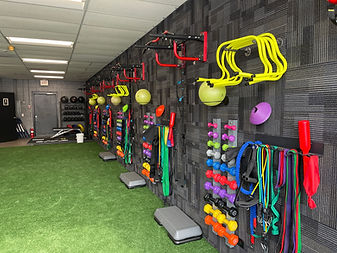
Contact Athletic Edge and Wellness Physical Therapy for elbow or wrist pain relief
Set up an Appointment Today!